
10 Essential Medical Screenings Every Woman Should Schedule for Optimal Health
Women’s health requires attention to many factors, but regular medical screenings play a crucial role in preventing diseases and catching health issues early. Scheduling the right screenings at the right time can make a significant difference in long-term well-being. This guide highlights 10 essential medical screenings every woman should know about and consider scheduling to maintain optimal health.
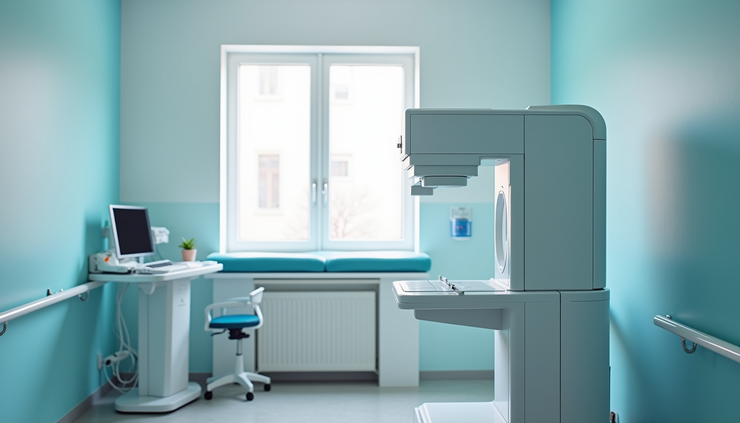
1. Mammogram for Breast Cancer Screening
Breast cancer is one of the most common cancers affecting women worldwide. Mammograms use low-dose X-rays to detect tumors that cannot be felt during a physical exam. Women aged 40 and older are generally advised to have a mammogram every 1 to 2 years, but those with a family history or other risk factors may need earlier or more frequent screenings.
Key points:
Detects breast cancer early, improving treatment success
Recommended annually or biennially starting at age 40
May include additional imaging like ultrasound for dense breast tissue
2. Pap Smear and HPV Test for Cervical Health
Pap smears check for abnormal cells on the cervix that could develop into cervical cancer. The HPV test detects the presence of high-risk human papillomavirus strains linked to cervical cancer. Women aged 21 to 65 should have a Pap smear every 3 years, or every 5 years if combined with HPV testing starting at age 30.
Key points:
Identifies precancerous changes early
Helps prevent cervical cancer through timely treatment
Screening intervals depend on age and test type
3. Bone Density Test for Osteoporosis
Osteoporosis causes bones to become weak and brittle, increasing fracture risk. Women, especially postmenopausal, are at higher risk. A bone density test (DEXA scan) measures bone strength and helps assess fracture risk. Women aged 65 and older should have this test, or younger if risk factors like early menopause or steroid use exist.
Key points:
Detects bone loss before fractures occur
Guides treatment to strengthen bones
Recommended for older women and those with risk factors
4. Blood Pressure Screening
High blood pressure often has no symptoms but can lead to heart disease and stroke. Regular blood pressure checks help identify hypertension early. Women over 18 should have their blood pressure measured at least once every two years, or more often if readings are elevated.
Key points:
Simple, quick test with vital health information
Early detection prevents cardiovascular complications
Lifestyle changes and medication can control high blood pressure
5. Cholesterol and Lipid Profile
High cholesterol increases the risk of heart disease. A blood test measuring total cholesterol, LDL (bad cholesterol), HDL (good cholesterol), and triglycerides helps assess heart health. Women aged 20 and older should have this test every 4 to 6 years, or more frequently if risk factors exist.
Key points:
Identifies risk for heart disease and stroke
Helps guide diet, exercise, and medication decisions
Important for women with family history or other risk factors
6. Blood Glucose Test for Diabetes Screening
Diabetes affects millions of women and can cause serious complications if untreated. A fasting blood glucose or HbA1c test checks blood sugar levels. Women over 45 or with risk factors like obesity or family history should be screened regularly.
Key points:
Detects prediabetes and diabetes early
Enables lifestyle changes or treatment to prevent complications
Screening frequency depends on risk profile
7. Skin Cancer Screening
Skin cancer is the most common cancer in the U.S., and women should monitor their skin for changes. A full-body skin exam by a dermatologist can detect suspicious moles or lesions. Women with fair skin, history of sunburns, or family history should have annual skin checks.
Key points:
Early detection improves treatment outcomes
Includes visual exam and sometimes biopsy of suspicious areas
Self-exams between visits are important
8. Colon Cancer Screening
Colon cancer risk increases with age. Screening methods include colonoscopy, stool tests, and sigmoidoscopy. Women aged 45 and older should begin regular screening, with intervals depending on the test type and risk factors.
Key points:
Detects precancerous polyps and early cancer
Colonoscopy every 10 years is common recommendation
Non-invasive stool tests available for some cases
9. Thyroid Function Test
Thyroid disorders are common in women and can affect metabolism, energy, and mood. A simple blood test measures thyroid hormone levels. Women with symptoms like fatigue, weight changes, or family history should be tested.
Key points:
Identifies hypothyroidism or hyperthyroidism
Guides treatment to restore hormone balance
Important for overall health and well-being
10. Eye Exam
Vision changes can signal health issues like diabetes or glaucoma. A comprehensive eye exam checks vision and eye health. Women should have an eye exam every 1 to 2 years, or more often if they have risk factors.
Key points:
Detects vision problems and eye diseases early
Helps maintain good vision and eye health
Includes tests for glaucoma, cataracts, and retinal health
Scheduling these screenings regularly supports early detection and prevention of many health conditions. Women should discuss their personal risk factors and screening schedule with their healthcare provider to tailor the plan to their needs.
Taking charge of your health means knowing which screenings matter and making time for them. Start by booking your next appointment today and encourage those you care about to do the same. Your future self will thank you.

Comments